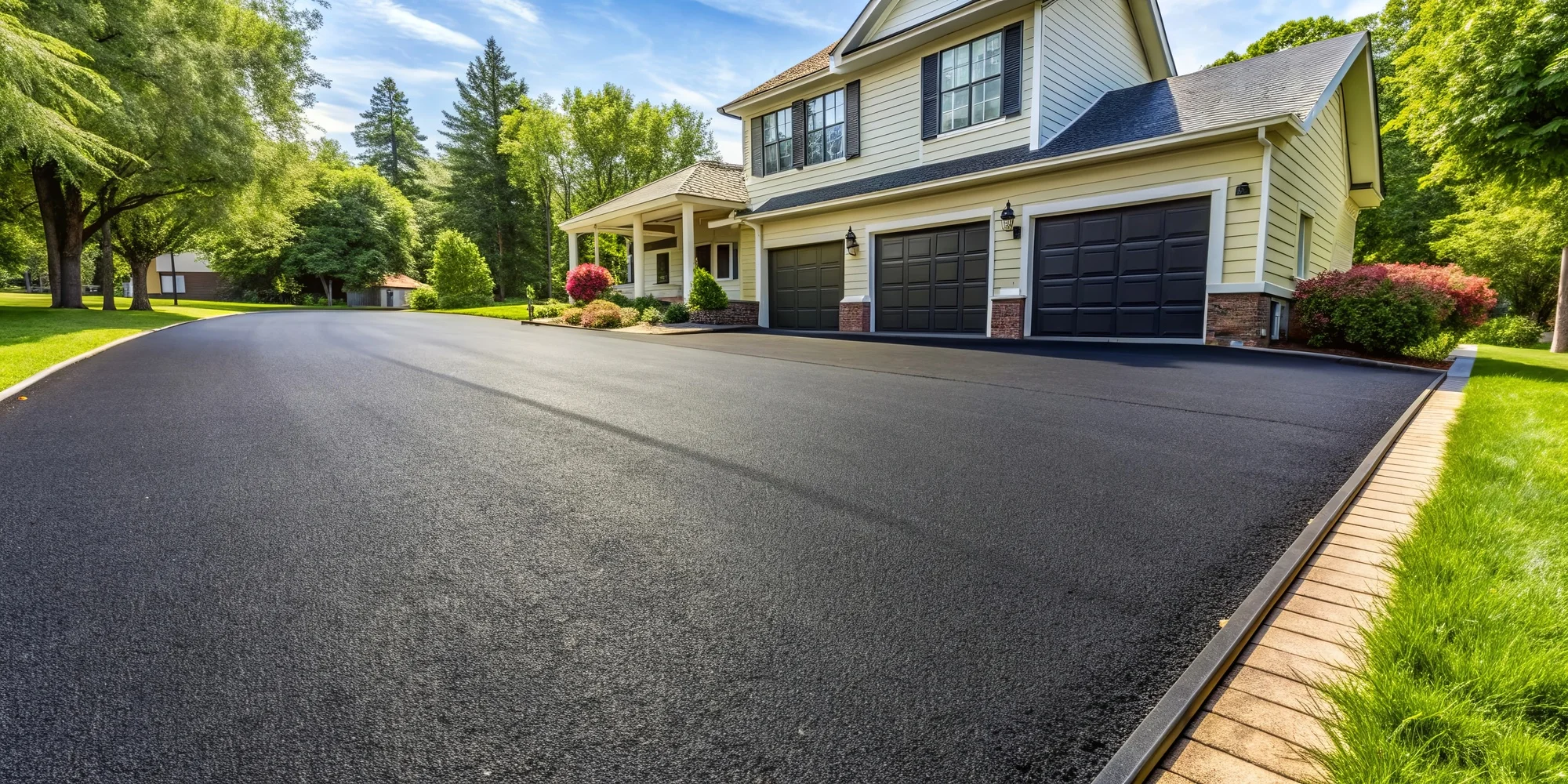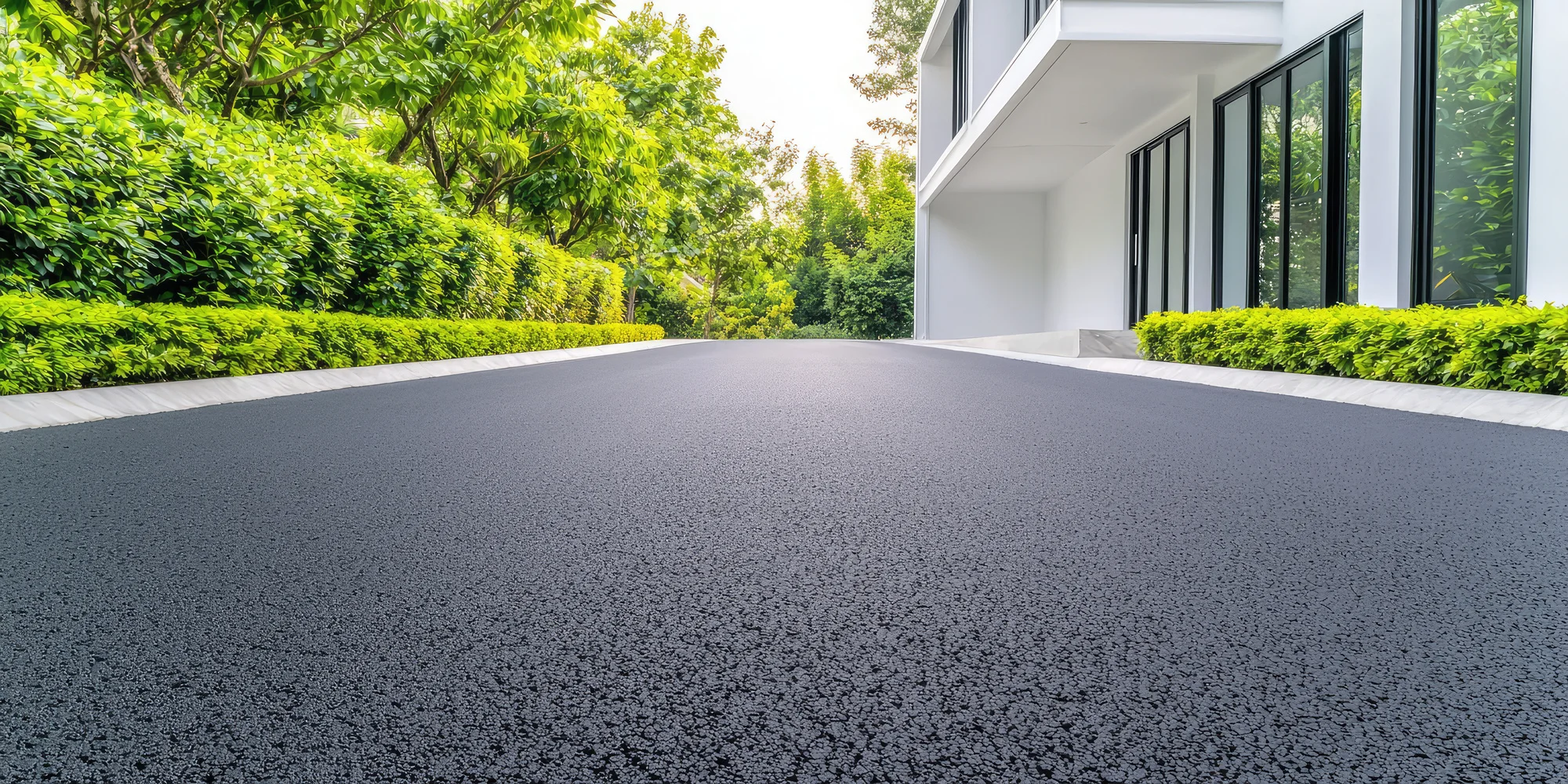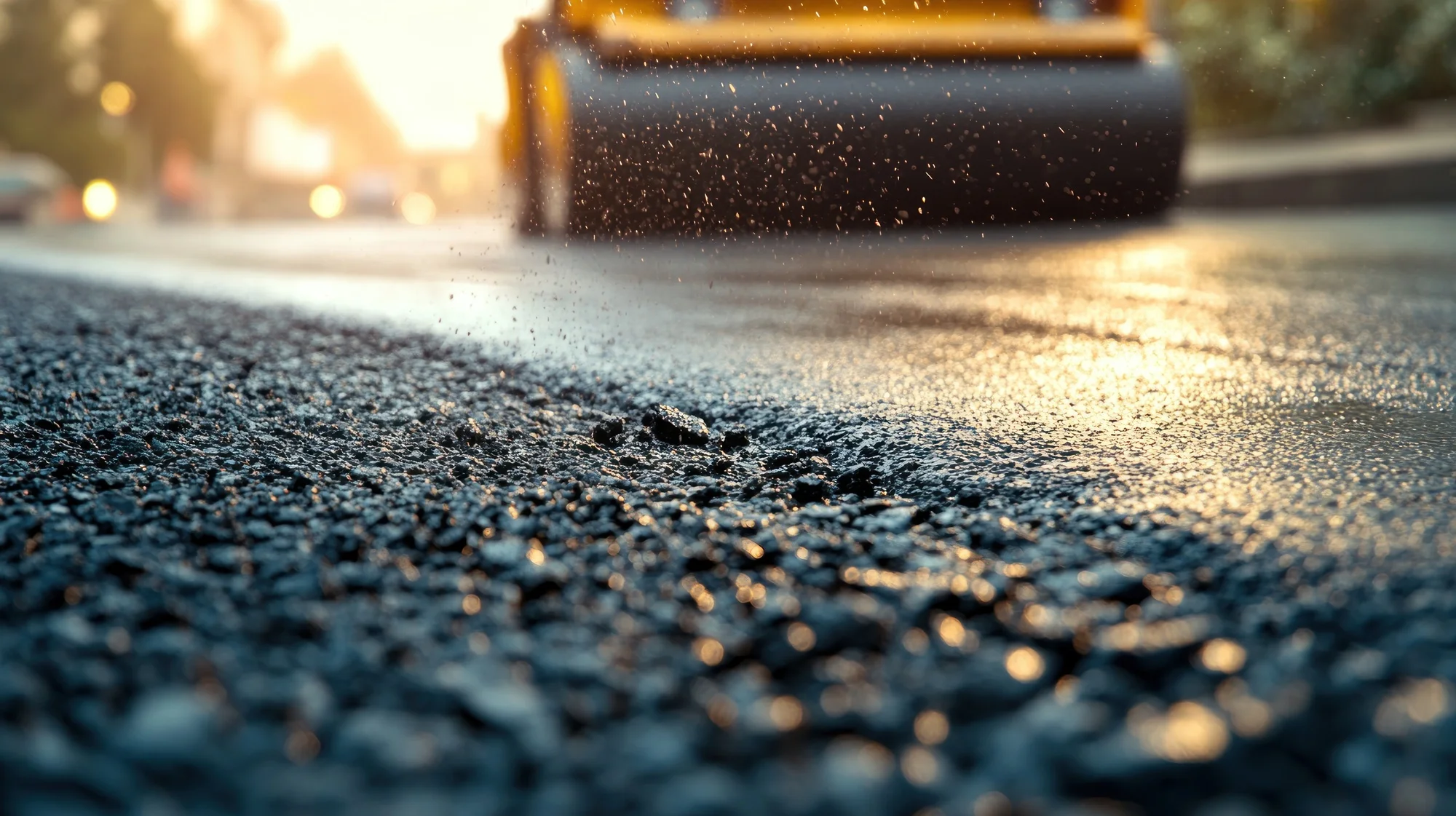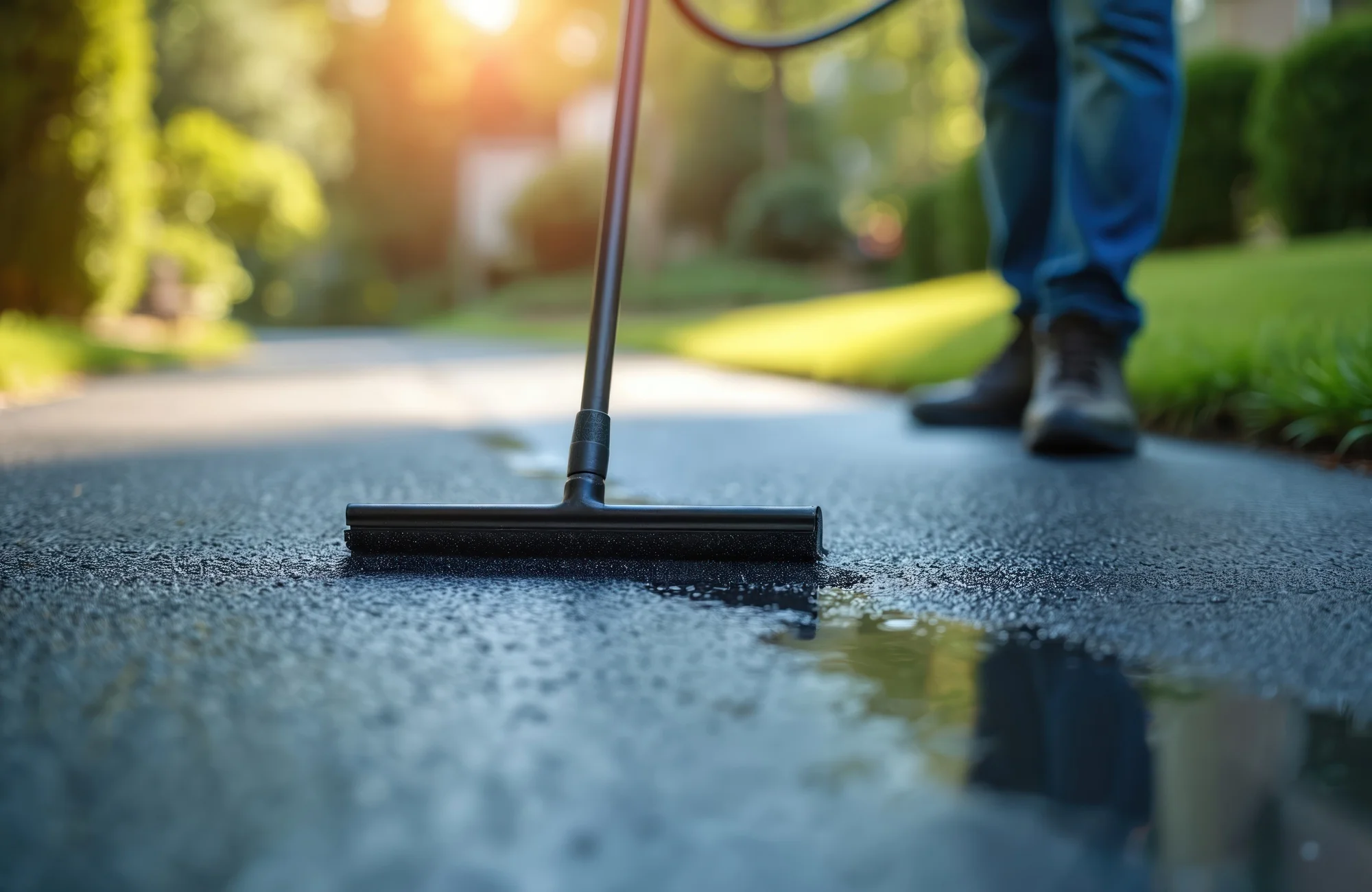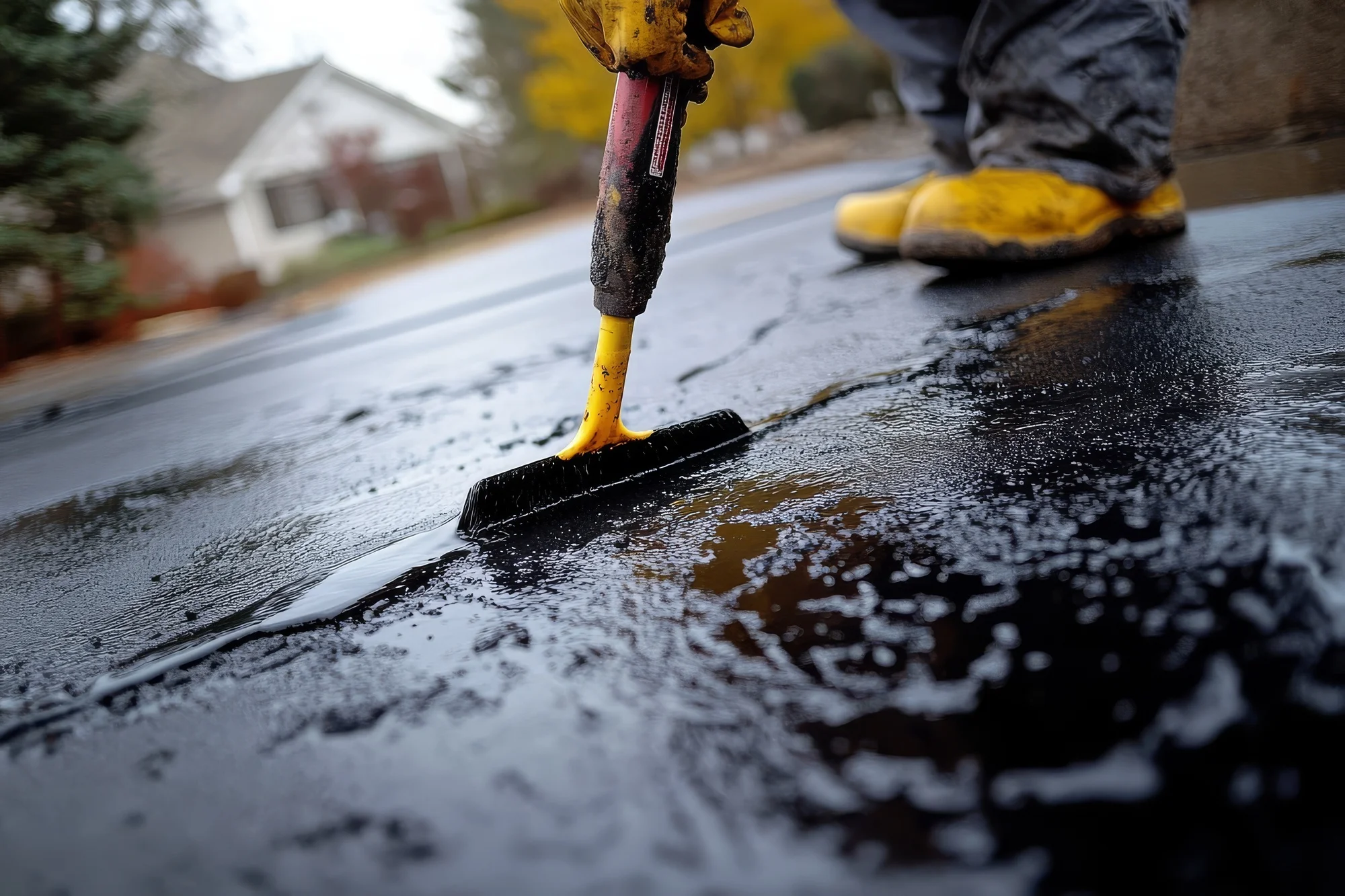
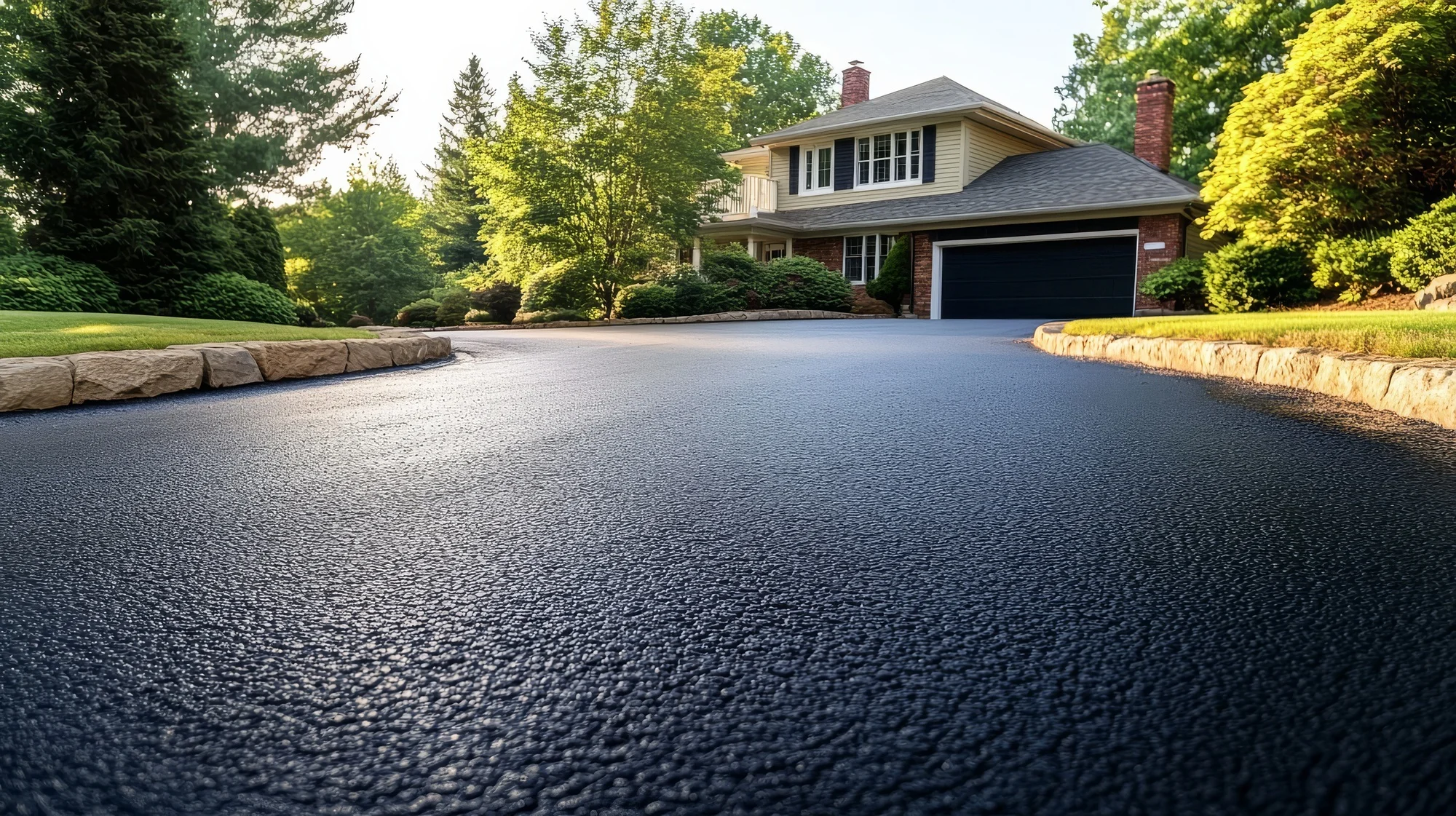
At first glance, sealcoating might seem like a simple black layer that makes your pavement look new again. But under the surface, there’s real science at work—protecting your asphalt from damage, aging, and expensive repairs. Here’s a breakdown of what makes sealcoating such an effective defense against the elements.
What Is Sealcoating Made Of?
Sealcoating is typically made from refined coal tar, asphalt emulsions, or acrylics, combined with fillers, sand, and additives. This blend is specially engineered to:
- Bond with the surface of asphalt
- Create a flexible, waterproof barrier
- Resist damage from UV rays, chemicals, and moisture
When applied correctly, sealcoating penetrates micro-pores in the pavement surface, creating a cohesive seal that boosts durability and longevity.
Protection from UV Rays
Asphalt is a petroleum-based material, which means it’s vulnerable to oxidation from sunlight. Prolonged UV exposure dries out the asphalt’s binding oils, causing it to become brittle and more prone to cracking. Sealcoating acts like sunscreen—it blocks harmful UV rays and slows the aging process of the pavement.
Moisture Defense
Water infiltration is one of the leading causes of asphalt failure. When water seeps into cracks and the pavement base, it erodes the foundation and leads to potholes and major structural damage. In colder climates, freeze-thaw cycles make it worse. The water freezes, expands, and cracks the surface from within.
Sealcoating repels water by forming a hydrophobic layer that prevents absorption. It’s the difference between a surface that sheds water and one that soaks it up like a sponge.
Resistance to Oil & Chemicals
Vehicles leak all kinds of fluids—motor oil, gasoline, antifreeze—that can soften and degrade unprotected asphalt. Sealcoating adds a chemical-resistant surface that prevents these substances from breaking down the pavement.
This is especially important for commercial parking lots, where traffic volume and heavy equipment increase the risk of chemical exposure.
Flexibility and Surface Integrity
The sealcoat doesn’t just harden on top—it helps retain the asphalt’s natural flexibility. That’s critical for withstanding temperature changes and traffic loads without cracking. The added sand in the mixture also improves traction and fills in minor surface imperfections.
Slowing Oxidation & Aging
Oxidation is a natural process where the asphalt binder breaks down over time, causing it to lose elasticity. Sealcoating slows this process dramatically, allowing the pavement to stay darker, smoother, and more resilient for longer.
Sealcoating may not look like high science—but beneath the surface, it’s a carefully designed process that enhances durability, prevents damage, and saves you money. Think of it as a suit of armor for your pavement—chemically engineered to stand up to the toughest conditions, year after year.
If your driveway or parking lot hasn’t been sealed in the last few years, now’s the time to give it the protection it deserves.